
April 6, 2026
No Comments
Written by
Jake
Why Regular Drain Cleaning Matters for Utah Homes
Most homeowners don't think much about their drains — until something backs up at the worst possible time. The truth is, a little routine maintenance goes a long way toward avoiding those middle-of-the-night emergencies. Whether you're in Salt Lake County, Utah County, Davis County, or Weber County, here's what you should know about keeping your drains in good shape and when it's time to call in a pro.
What Happens When You Skip Drain Maintenance
Every day, your drains handle a lot — grease, soap, hair, food particles, mineral buildup. Over time, that material collects inside your pipes and starts to restrict water flow. You might not notice it right away. Maybe your shower drains a little slower than it used to, or your kitchen sink takes an extra few seconds to clear.
Those small signs are easy to ignore, but they're telling you something. What starts as a slow drain can turn into a full blockage, and in some cases, that blockage pushes back into your sewer line. Now you're looking at a much bigger problem — and a much bigger bill.
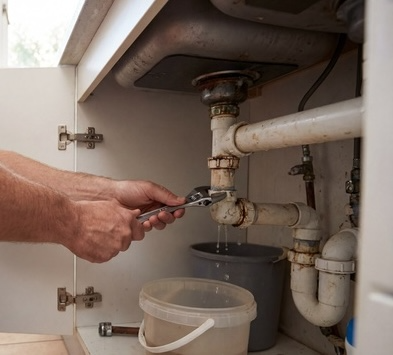
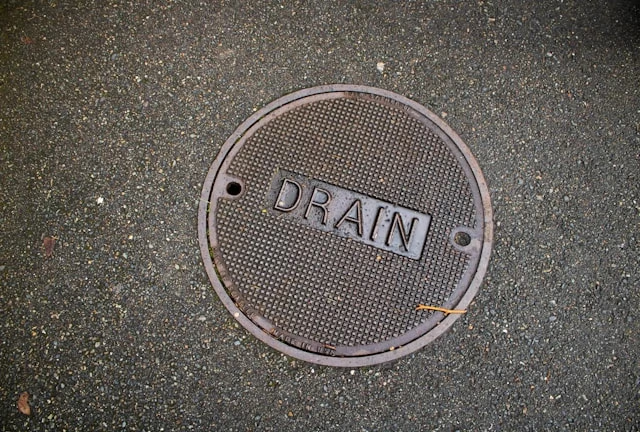
Warning Signs Your Drains Need Attention
Knowing what to watch for can save you real time and money. Here are the most common signals that your drains need professional cleaning:
- Slow-draining sinks, tubs, or showers. This is usually the first sign of buildup in your pipes. It rarely fixes itself.
- Unpleasant odors from your drains. Food debris, grease, and other material decomposing inside the line creates odors that won't go away with air freshener — it needs to be cleaned out at the source.
- Gurgling or bubbling sounds. Strange noises from a toilet or drain usually mean air is getting trapped by a partial blockage somewhere in the line.
- Recurring clogs. If you're reaching for a plunger or store-bought drain cleaner more than once or twice a year, the problem isn't at the surface — it's deeper in the pipe.
- Multiple drains slowing down at once. When more than one fixture is affected, the issue is likely in your main line or sewer line, not just a single drain.
- Higher water bills. A hidden leak or partially blocked line can cause your system to work harder, which shows up on your utility bill.
Common Causes of Drain Problems in Utah Homes
Every day, your drains handle a lot — grease, soap, hair, food particles, mineral buildup. Over time, that material collects inside your pipes and starts to restrict water flow. You might not notice it right away. Maybe your shower drains a little slower than it used to, or your kitchen sink takes an extra few seconds to clear.
Those small signs are easy to ignore, but they're telling you something. What starts as a slow drain can turn into a full blockage, and in some cases, that blockage pushes back into your sewer line. Now you're looking at a much bigger problem — and a much bigger bill.
- Grease and food buildup. Kitchen drains take the worst beating. Even when hot water seems to push grease through, it cools and coats the pipe wall further down the line.
- Hair and soap residue. Bathroom drains clog from hair mixed with soap scum. Over time, this buildup gets dense enough to significantly slow drainage.
- Hard water mineral buildup. Utah has notoriously hard water. Mineral deposits gradually reduce the inside diameter of your pipes, making it easier for other debris to catch and collect.
- Paper products and wipes. Even products labeled "flushable" don't break down the way toilet paper does. They're a leading cause of blockages in toilet and sewer lines.
- Tree root intrusion. Roots seek moisture and can find their way into small cracks or joints in your sewer line. Once inside, they keep growing and cause repeat clogs and backups.
Why Store-Bought Drain Cleaners Aren't the Answer
It's tempting to grab a bottle of chemical drain cleaner and call it done. But those products only dissolve what's right at the surface, and the harsh chemicals can damage your pipes over time — especially in older homes. They don't address the real buildup sitting further down the line, which means the problem comes back, usually worse than before.
Professional drain cleaning gets to the source. It removes the full blockage and cleans the pipe walls so buildup doesn't reform in the same spot a few weeks later.
How Professional Drain Cleaning Works
A thorough drain cleaning service doesn't just poke a hole through a clog and move on. Here's what it actually looks like:
Hydro Jetting
Hydro jetting uses high-pressure water to scour the inside of your pipes, removing grease, scale, mineral deposits, and even tree roots. It restores the pipe to near-original condition, which means longer-lasting results compared to basic snaking. This is one of the most effective methods for deeper cleaning and hard-to-reach blockages.
Drain Snaking and Augers
Drain snaking is effective for more straightforward clogs — hair, paper products, food buildup. A professional knows which tool to use and how to operate it without damaging your pipes, which is a real risk with DIY attempts. Battery-powered augers can handle tougher blockages that a standard drain snake can't clear.
Sewer Camera Inspections
Camera inspections let your plumber see exactly what's going on inside the line. Instead of guessing, they can identify the type and location of the problem — root intrusion, pipe cracks, heavy buildup, recurring blockage points — and recommend the right solution. This is especially valuable for recurring issues or older homes where pipe condition is a concern.
The Real Benefits of Regular Drain Cleaning
- Prevents expensive emergency repairs. A backed-up sewer line or burst pipe from pressure buildup is a costly fix that almost always happens at the worst time. Routine cleaning dramatically reduces that risk.
- Extends the life of your plumbing system. Buildup creates pressure and corrosion inside your pipes. Removing it regularly helps your system last years longer.
- Eliminates drain odors. No amount of cleaning products will fix a drain odor problem. Getting the source out of the pipe does.
- Protects your home from water damage. Backups don't stay in the drain — they can overflow into your home, damaging floors, walls, and belongings.
- Improves daily water flow. Sinks drain faster, showers work better, and your plumbing just performs the way it should.
- Can lower utility costs. When your plumbing system doesn't have to fight through restricted pipes, it runs more efficiently.
How Often Should You Schedule Drain Cleaning?
For most homes, an annual drain cleaning and inspection is a solid baseline. You may want more frequent service if your home has older pipes, trees near your sewer line, a large household, or a history of recurring clogs.
Restaurants and commercial properties typically need more regular attention due to the volume of grease and debris going through their systems.
The best approach is to pair a camera inspection with your cleaning so your plumber can see the current condition of your pipes and recommend a schedule that makes sense for your situation. Drain Kingz also offers preventative maintenance plans that include annual inspections and member pricing — a smart way to stay ahead of problems instead of reacting to them.
Restaurants and commercial properties typically need more regular attention due to the volume of grease and debris going through their systems.
The best approach is to pair a camera inspection with your cleaning so your plumber can see the current condition of your pipes and recommend a schedule that makes sense for your situation. Drain Kingz also offers preventative maintenance plans that include annual inspections and member pricing — a smart way to stay ahead of problems instead of reacting to them.

Don't Wait for the Emergency! Drain problems don't fix themselves, and they almost always get worse with time. A little preventative maintenance now saves you from a major headache — and a major expense — down the road. If it's been a while since your drains were professionally cleaned, or if you're noticing any of the warning signs above, it's time to schedule a service.